VAT Consultancy Services Cost in Turkey: A Complete Pricing Guide
Considering VAT consultancy costs
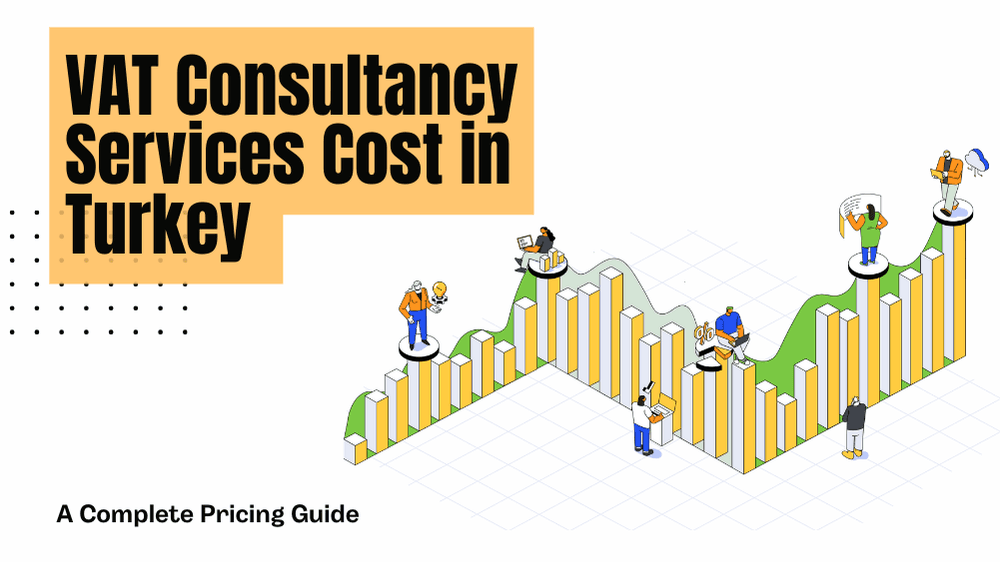
VAT Consultancy Services Cost in Turkey: A Complete Pricing Guide
Value‑Added Tax (VAT) compliance in Turkey is a complex, ever‑evolving area of tax law. Companies often engage specialized consultants to navigate VAT registration, filing, refund claims, e‑Invoice/e‑Defter obligations, and audits. But what does VAT consultancy cost in Turkey? In this guide, we’ll break down:
Common pricing models for VAT advisory
Factors that influence consultancy fees
Approximate fee ranges for different service scopes
Tips on choosing the best VAT advisor
Let’s explore how much you should budget for professional VAT support.
1. VAT Consultancy Pricing Models
Consultancy firms and independent advisors in Turkey typically charge for VAT services using one or more of the following models:
Monthly Retainer
A fixed fee paid each month for ongoing advisory, filings, and support.
Ideal for companies with regular VAT obligations (e‑Invoice, e‑Defter, returns, audit defense).
Hourly Rate
The consultant bills by the hour for tasks like training, research, or ad‑hoc advice.
Common for short‑term projects or when you need expert input on specific issues.
Project‑Based Fee
A lump sum for single‑instance engagements, such as a VAT health check, refund claim, or audit representation.
Often combined with success fees (e.g., a percentage of the VAT recovered).
Success Fee / Contingency
In refund or recovery cases, a consultant may agree to a lower upfront fee plus a share of the VAT successfully reclaimed.
Aligns advisor incentives with client results.
2. Key Factors Influencing VAT Consultancy Costs
Your actual fee will depend on several variables:
Company Size & Turnover
- Small enterprises (annual revenue < TRY 3 million) have simpler needs than large multinationals.
Complexity of Operations
- Cross‑border transactions, multiple VAT regimes, mixed‑supply businesses, and e‑commerce increase advisory workload.
Scope of Services
- Basic filings and registration vs. audit defense, dispute resolution, refunds, and bespoke training.
Volume of Transactions
- High invoice volumes (e‑Invoice, e‑Archive) require more administrative effort.
Regulatory Changes
- Frequent Turkish VAT amendments demand regular updates, increasing the need for ongoing support.
Consultant’s Expertise & Brand
- Big Four firms and large boutiques charge premium rates; independent experts can be more cost‑effective.
3. Approximate Fee Ranges
Below are indicative fee ranges in Turkish Lira (TRY). Actual prices vary by region (Istanbul vs. Anatolia) and firm reputation.
| Service Scope | Pricing Model | Typical Range (TRY) |
| Basic VAT Registration & Onboarding | One‑time fee | 2.000 – 5.000 |
| Monthly Compliance Retainer | Monthly retainer | 1.500 – 6.000 / month |
| VAT Return Preparation & Filing | Per return | 500 – 1.500 per month |
| Audit Defense & Exhibition Support | Project fee | 5.000 – 20.000 per audit |
| VAT Refund Claim Handling | Success fee model | 10 % – 20 % of VAT recovered |
| Transfer Pricing / Cross‑Border Advice | Hourly rate | 300 – 1.500 / hour |
| Training & Workshops | Hourly or day rate | 1.000 – 4.000 / day |
Note: Rates for the Big Four or international firms can be 30 % – 50 % higher than these estimates.
4. Cost‑Saving Tips
Bundle Services: Consolidate VAT, corporate tax, and bookkeeping under one advisor for volume discounts.
Negotiate Retainers: Agree on a fixed number of hours or services per month to cap costs.
Use Success Fees: For refund claims, align fees with outcomes to reduce upfront expenses.
Leverage Technology: Choose advisors who automate e‑Invoice/e‑Defter processes to cut manual work.
Periodic Reviews: Conduct an annual VAT health check rather than always paying for full retainer services.
5. How to Choose the Right VAT Consultant
Check Industry Experience: Look for advisors with a track record in your sector (e‑commerce, manufacturing, services).
Assess Technical Skills: Verify knowledge of e‑Reporting systems (UBL‑TR, MERSİS, GİB portal).
Evaluate Responsiveness: Timely communication is critical during audit or filing deadlines.
Review References: Ask for client testimonials on dispute resolution and refund success.
Compare Proposals: Get at least three detailed fee proposals to benchmark value.
Frequently Asked Questions
Q1: Can I handle VAT filings in Turkey without a consultant?
A1: Yes, but you’ll need robust in‑house expertise on Turkish VAT law, e‑Invoice/e‑Defter systems, and all filing deadlines. Errors can be costly.
Q2: Is electronic invoicing mandatory?
A2: Companies above TRY 3 million turnover must use e‑Invoice; others can opt into e‑Archive. Consultants help set up and integrate these systems.
Q3: How long does it take to get a VAT refund?
A3: Refund audits typically conclude within 1–3 months, but complex cases may take up to 6 months or longer, depending on the authority’s workload.
Conclusion
VAT consultancy fees in Turkey vary widely based on your business size, complexity, and service requirements. By understanding common pricing models and influencing factors, you can budget effectively and negotiate favorable terms. Whether you need basic filings or full audit defense, selecting the right advisor ensures compliance, reduces risk, and often delivers substantial ROI through optimized VAT management.
Ready to optimize your VAT compliance?
Contact Özmen Tax Advisory for a tailored fee proposal and expert guidance:
📧 info@ozmconsultancy.com | 🌐 www.ozmconsultancy.com