Dubai as a Digital Nomad Hub: A Critical Analysis Beyond the Hype
Dubai as a Digital Nomad Hub: A Critical Analysis Beyond the Hype
Dubai as a Digital Nomad Hub: A Critical Analysis Beyond the Hype
Executive Summary
Dubai has often been presented as a "tax haven" and a "luxury base" for digital nomads and entrepreneurs. While the Emirate offers undeniable advantages in taxation, safety, and infrastructure, it also presents significant challenges related to cultural integration, legal restrictions, and urban design. This article critically examines Dubai's value proposition for digital nomads and remote entrepreneurs, weighing its legal, fiscal, societal, and practical dimensions.
1. The Core Advantages of Dubai for Digital Nomads
1.1 Tax Environment
Dubai remains attractive primarily due to its taxation policies:
No Personal Income Tax: Individuals earning income outside of the UAE are not subject to local personal income tax.
No Capital Gains Tax: Investment returns are untaxed, making Dubai appealing for asset managers and entrepreneurs.
Business Incentives: Free zones allow 100% foreign ownership, and corporate taxation is minimal outside of mainland operations (except for recent minimum tax developments under OECD frameworks).
Note: U.S. citizens remain liable for worldwide income tax, despite Dubai residency, unless they utilize the Foreign Earned Income Exclusion (FEIE) under strict IRS guidelines.
1.2 Safety and Stability
Dubai offers a unique level of public safety:
Extremely low rates of violent crime.
High degree of personal property security.
Strong enforcement of laws, although with notable restrictions on civil liberties.
1.3 Infrastructure and Connectivity
World-Class Transportation: Direct air connections to all major global cities via Emirates Airlines.
Modern Utilities: Reliable internet, logistics, healthcare, and digital infrastructure.
Convenience: 24/7 delivery services, a highly developed service economy, and efficient administrative procedures.
2. Legal and Cultural Constraints
2.1 Freedom of Speech and Expression
Dubai operates under a strict legal system where:
Public criticism of the government is criminalized.
Offensive gestures, swearing, or public indecency (including public affection) can result in arrest and deportation.
Laws regarding drugs are extremely harsh, with zero tolerance policies.
2.2 Social Integration Challenges
Cultural Segregation: Emiratis constitute less than 10% of the population. The social life of locals and expatriates remains largely segregated.
Consumerist Environment: Public life revolves heavily around malls, luxury venues, and commercial activities, with limited "organic" cultural interaction.
Limited Diversity in Ideologies: Despite a multinational population, the societal environment prioritizes materialism over intellectual or ideological diversity.
2.3 Human Rights and Labor Practices
Criticisms regarding labor conditions, especially for migrant workers, remain persistent concerns raised by international observers.
3. Environmental and Urban Challenges
3.1 Climate and Living Conditions
Extreme Heat: Summer temperatures consistently exceed 45°C (113°F), making outdoor life impractical for half the year.
Air Quality: Dust storms and poor air quality during certain seasons.
Car Dependency: Urban design is heavily reliant on automobiles, with limited walkability.
3.2 Urban Scale and Authenticity
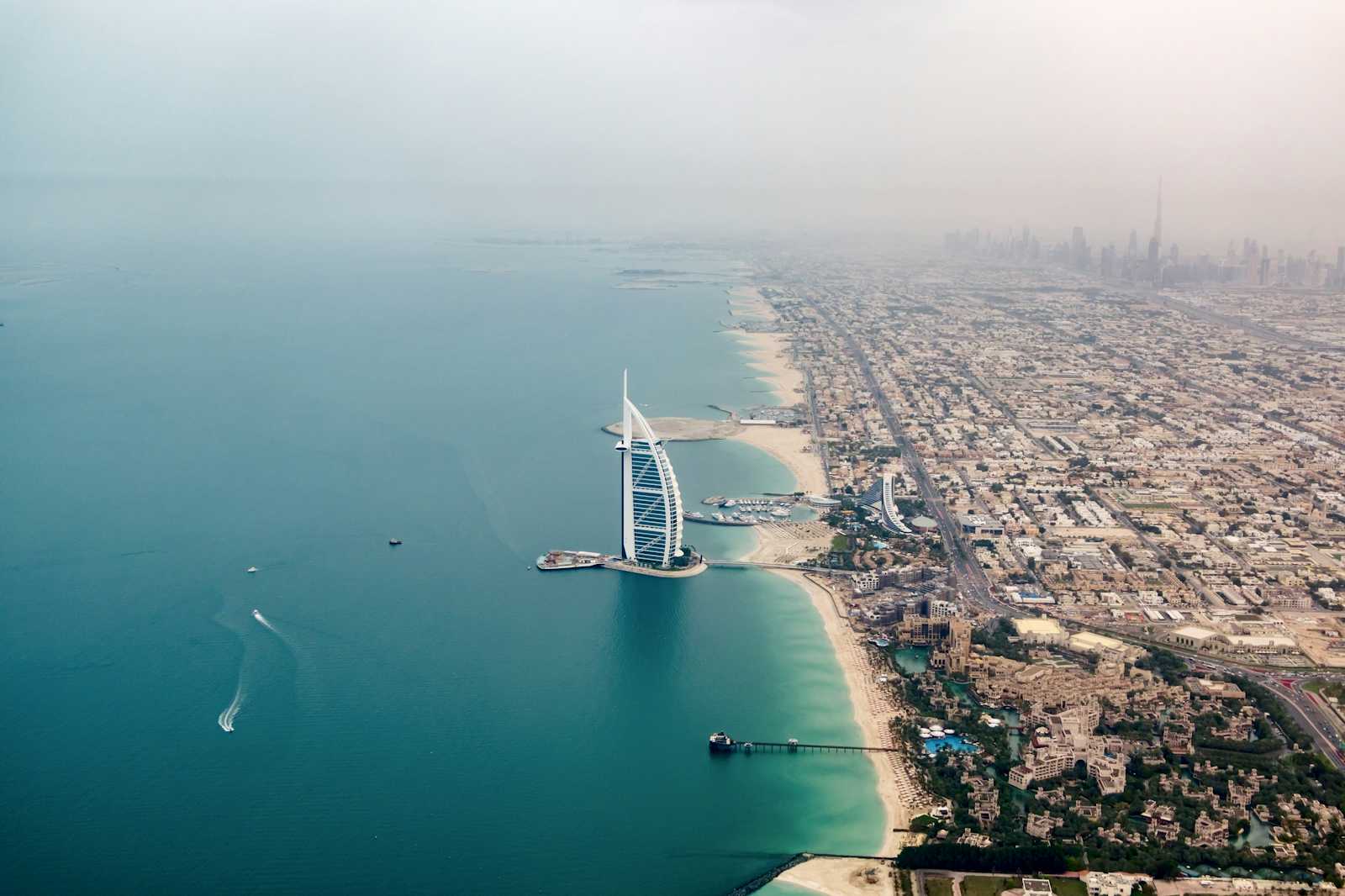
- Dubai's rapid growth model has prioritized modernity and spectacle over historical continuity, resulting in a city often described as an "open-air shopping mall" with limited depth of urban culture compared to other global cities.
4. Practical Considerations for Digital Nomads
4.1 Residency Requirements
Freelance Visas: Available but require minimum income thresholds and proof of business activities.
Medical Testing: Mandatory health screening (HIV, Hepatitis B & C, Tuberculosis). Positive results may result in visa denial or deportation.
4.2 Cost of Living
While cheaper than New York City or London in certain respects:
High-quality accommodation and international schools can be expensive.
Alcohol consumption requires licenses and is restricted to specific venues.
Government fees for visas, permits, and healthcare can accumulate, offsetting some of the tax advantages.
| Category | Estimated Monthly Cost |
| 1-Bedroom Apartment (Palm Jumeirah) | USD 2,000 |
| Basic Utilities | USD 200 |
| Health Insurance | USD 200-400 |
| Internet and Mobile | USD 80-100 |
| Dining and Entertainment | USD 800-1,200 |
5. Comparative Analysis: Dubai vs. Alternative Nomad Destinations
| Criteria | Dubai | Singapore | Lisbon | Bali |
| Tax Benefits | Excellent | Moderate | Moderate | Good |
| Personal Freedom | Restricted | High | High | High |
| Safety | Very High | Very High | High | Moderate |
| Cost of Living | High | Very High | Moderate | Low |
| Cultural Integration | Limited | Moderate | High | High |
| Weather Suitability | Poor (summer) | Excellent | Excellent | Excellent |
6. Conclusion: Is Dubai Worth It for Digital Nomads?
Dubai is a city of contrasts: it offers world-class conveniences, tax advantages, and safety in exchange for restricted civil liberties, high costs for certain amenities, and limited cultural engagement. It is an ideal base for:
High-earning entrepreneurs prioritizing tax optimization.
Families valuing personal safety above all.
Frequent travelers requiring a well-connected hub.
It is less suitable for:
Individuals prioritizing personal freedoms and political rights.
Those seeking deep cultural experiences and organic urban life.
Cost-conscious nomads or creative workers requiring vibrant, inclusive communities.
Final Thought
Prospective residents must balance the tangible economic incentives with the intangible lifestyle sacrifices inherent to life in Dubai. A thorough evaluation of personal priorities — financial, social, cultural, and ethical — is essential before making the move.
Contact Us: For tailored advice on international relocation strategies, tax optimization, and corporate structures, reach out to our global advisory team
info@ozmconsultancy.com