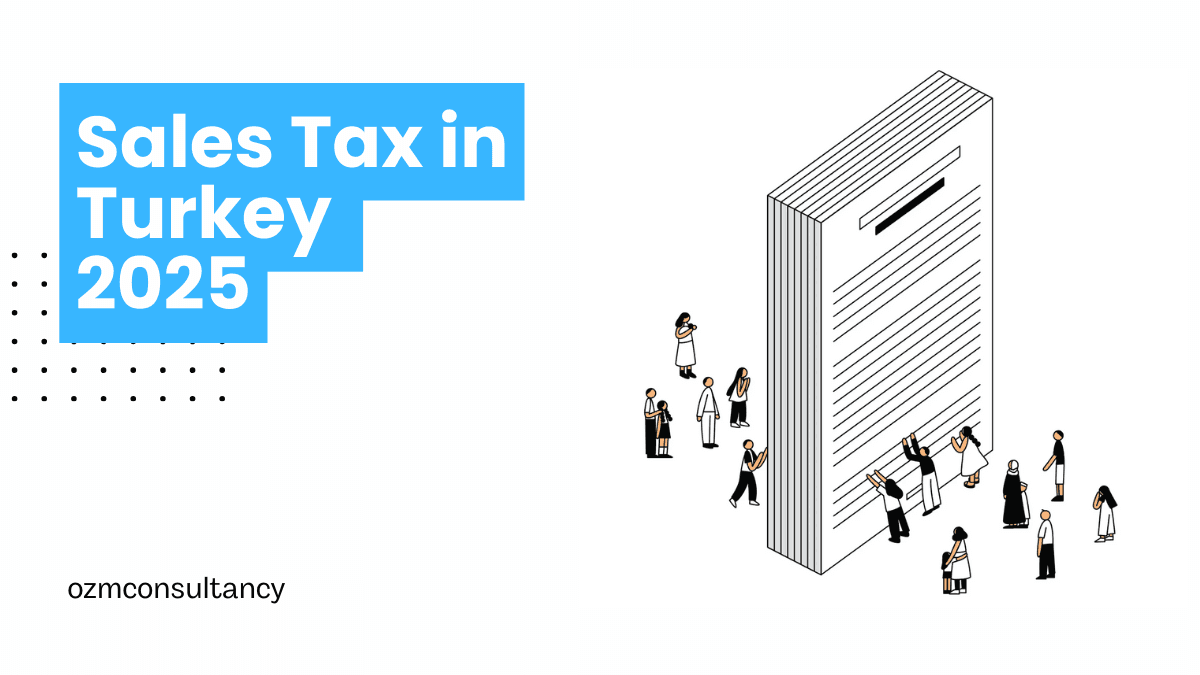
Sales Tax in Turkey 2025
How much is sales tax in Turkey?
In Turkey, the primary consumption tax is the Value-Added Tax (VAT), which is applied to almost all goods and services. As of 2025, Turkey's VAT rates have been structured to accommodate various categories and ensure that essential items remain accessible to all citizens.
VAT Rates and Scope
Turkey’s VAT is a tax added to the value of goods and services. The rates vary according to the type of product or service:
Standard Rate: 20%
This is the general rate applied to most consumer goods and services across the country.Reduced Rates: 10% and 1%
10% Rate: This reduced rate is typically applied to essential items such as basic foodstuffs and pharmaceuticals, ensuring that everyday necessities are available at a more affordable price.
1% Rate: Reserved for specific items, including certain agricultural products and printed materials, this rate is designed to provide targeted support to particular sectors.
Economic Importance of VAT
VAT plays a crucial role in Turkey’s economy by contributing significantly to the state budget. This tax not only generates revenue but also helps regulate economic activities. By taxing essential items at lower rates, the government aims to ease the financial burden on consumers, especially those with limited incomes.
Impact on Daily Life
The variation in VAT rates directly influences consumer behavior and spending patterns:
Essential Food and Health Products:
The 10% reduced rate on basic food items and pharmaceuticals makes these necessities more affordable for everyday consumers. This is particularly beneficial for families with tighter budgets.Special Categories:
The 1% rate, applied to certain agricultural products and printed materials, supports these specific industries by fostering a competitive market and encouraging local production.
Conclusion
Turkey's VAT system is meticulously structured to balance the need for state revenue with the goal of maintaining affordability for its citizens. By implementing different rates for various categories, the tax system not only supports the economy but also provides relief for essential goods and services. Whether you are a business owner or a consumer, understanding how VAT operates is crucial in today’s economic landscape.
Stay tuned to our blog for more updates and insights on Turkey's tax policies and economic developments.
Meta Description:
Learn about Turkey’s Value-Added Tax (VAT) system, including the 20%, 10%, and 1% rates, and discover how these rates affect consumer prices and support key industries.
For more information and our services
info@ozmconsultancy.com